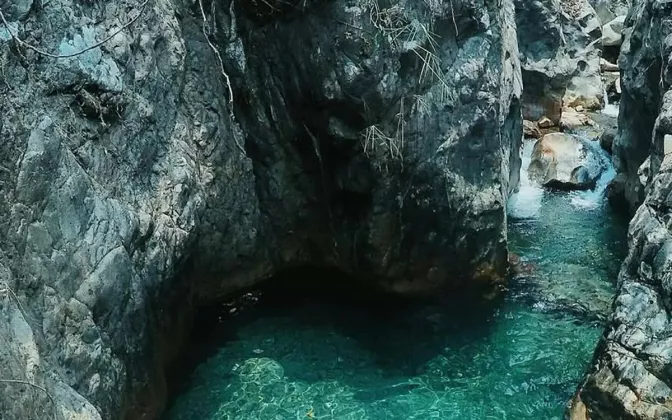
Raja Ampat: Where Turquoise Waters and Coral Kingdoms Await
Stepping into Raja Ampat feels like entering a dream carved by the ocean itself. Scattered across Indonesia’s far eastern waters, this remote archipelago
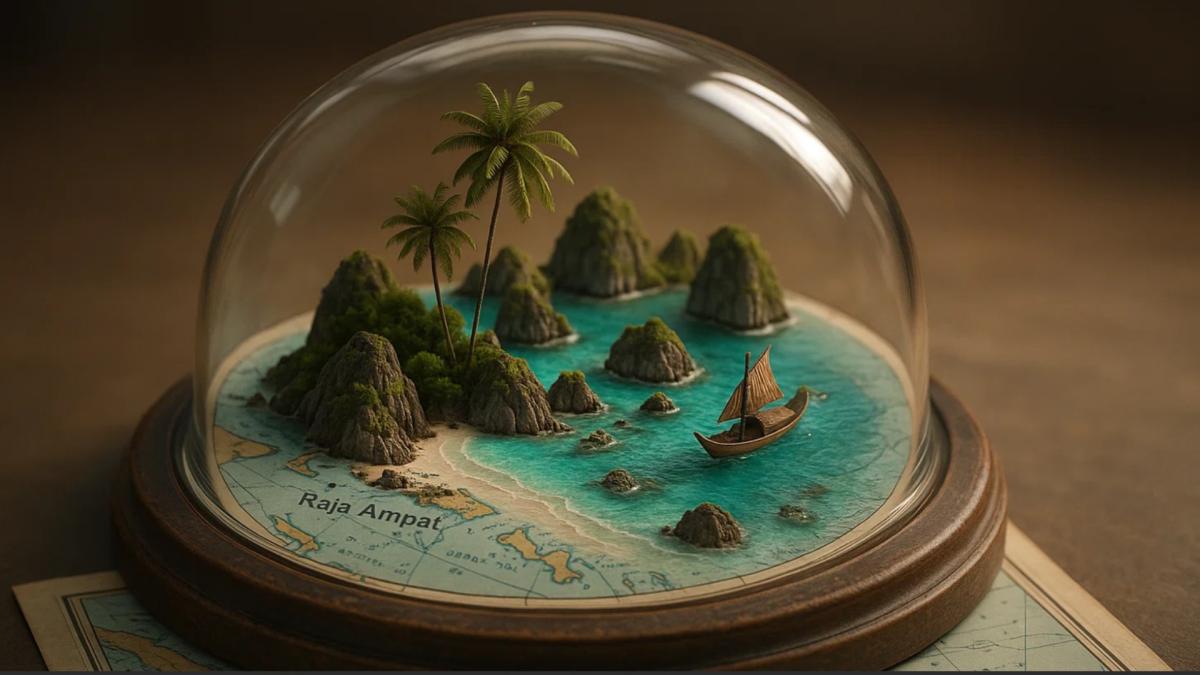
fin.co.id - Stepping into Raja Ampat feels like entering a dream carved by the ocean itself. Scattered across Indonesia’s far eastern waters, this remote archipelago is where turquoise lagoons glisten under the equatorial sun, and coral kingdoms thrive beneath the waves in colors too vivid to believe.
But Raja Ampat is more than just beauty at first sight. It’s often called The Last Paradise—a marine Eden where nature is at its most generous, and where every dive, every island, and every horizon reveals something untouched.
Travelers seeking something beyond Bali’s temples or Komodo’s dragons inevitably find themselves drawn here, to a place where time slows and the ocean takes center stage.
Baca Juga
The Magic of Raja Ampat Islands
The Raja Ampat archipelago, meaning “Four Kings,” consists of over 1,500 small islands, cays, and shoals surrounding the main islands of Waigeo, Salawati, Batanta, and Misool.
From above, they appear as emerald dots scattered across a canvas of turquoise water. Beneath the surface, Raja Ampat holds the crown as the world’s most biodiverse marine ecosystem, with over 550 species of coral and nearly 1,600 species of reef fish (source: Conservation International).
Waigeo is the gateway, home to the bustling town of Waisai, yet still fringed by unspoiled beaches and lagoons.
Misool, by contrast, is a sanctuary of limestone karsts, secret lagoons, and some of the best diving sites in the world. Each island has its own rhythm, but together they create a harmony that few places on Earth can rival.
Diving into Coral Kingdoms
Baca Juga
For divers, Raja Ampat is often described as the holy grail. Its location at the heart of the Coral Triangle makes it the epicenter of marine biodiversity.
Sites like Cape Kri, Sardine Reef, and Blue Magic are legendary. At Cape Kri, divers can encounter more fish species in a single dive than anywhere else on the planet. Barracudas swirl in shimmering schools, reef sharks patrol the drop-offs, and manta rays glide as if choreographed.
Even for beginners, snorkeling in Raja Ampat is otherworldly. Shallow reefs near the islands explode with color: clownfish dart between anemones, parrotfish graze on coral, and sea turtles glide effortlessly above.
Unlike many reefs around the world, Raja Ampat’s corals are still vibrant, thanks to strong conservation efforts and the remoteness of the region.