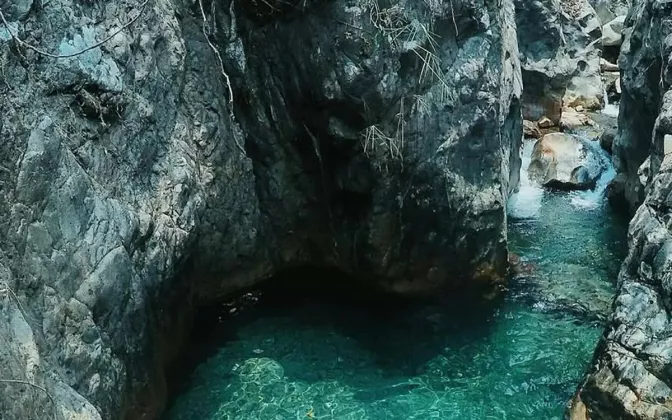
From Coral Gardens to Endless Blue: The Magic of Wakatobi
This is Wakatobi diving, the jewel of Southeast Sulawesi, Indonesia—a place where the ocean tells stories in gradients of turquoise, sapphire, and emerald.
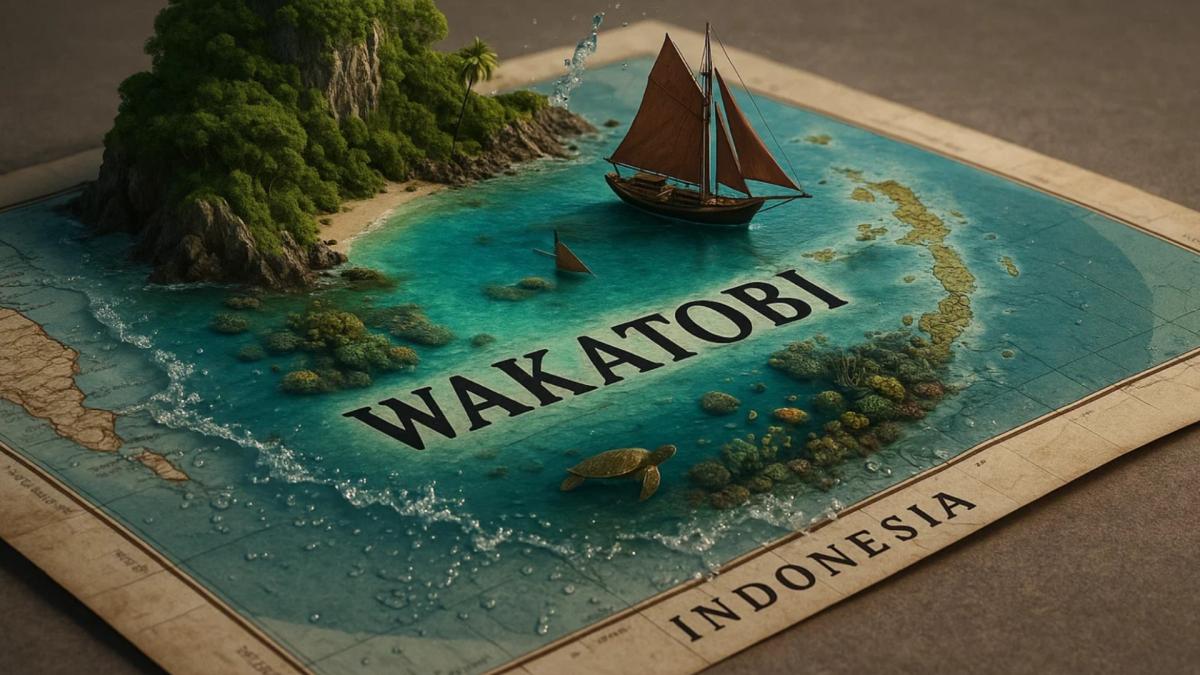
While Wakatobi diving may be the headline, the islands themselves hold cultural treasures worth exploring. The Bajo people, often referred to as "sea gypsies," live in stilt houses above the water, carrying centuries of maritime traditions. Visiting their villages offers travelers a glimpse into a lifestyle shaped entirely by the sea.
On land, time slows. Markets brim with freshly caught fish, woven sarongs, and the aroma of spices. Traditional dances and ceremonies reveal an identity deeply intertwined with the ocean—a reminder that in Wakatobi, culture and nature exist as one.
Practical Travel Guide to Wakatobi
-
Getting There: Travelers usually fly into Bali, then connect via domestic flights to Wangi-Wangi. Some liveaboard cruises also operate routes through the region.
-
Best Time to Visit: March to December offers the best visibility and calm seas. The dry season (May–September) is ideal for diving.
-
Where to Stay: From eco-friendly guesthouses run by locals to luxury resorts like Wakatobi Dive Resort, options cater to every traveler.
-
Essential Tips: Respect the reef by practicing responsible diving, support local guides, and take time to explore beyond the dive sites.
Why Wakatobi Belongs on Your Bucket List
In a world where untouched paradises are becoming rare, Wakatobi remains a shimmering exception. It is a place where divers rediscover why they first fell in love with the ocean, where culture and conservation create a seamless rhythm, and where the horizon stretches in infinite shades of blue.
Baca Juga
For those who seek more than just another tropical escape, Wakatobi diving is a journey into the extraordinary—a reminder that the magic of the sea is alive, waiting, and breathtakingly real.